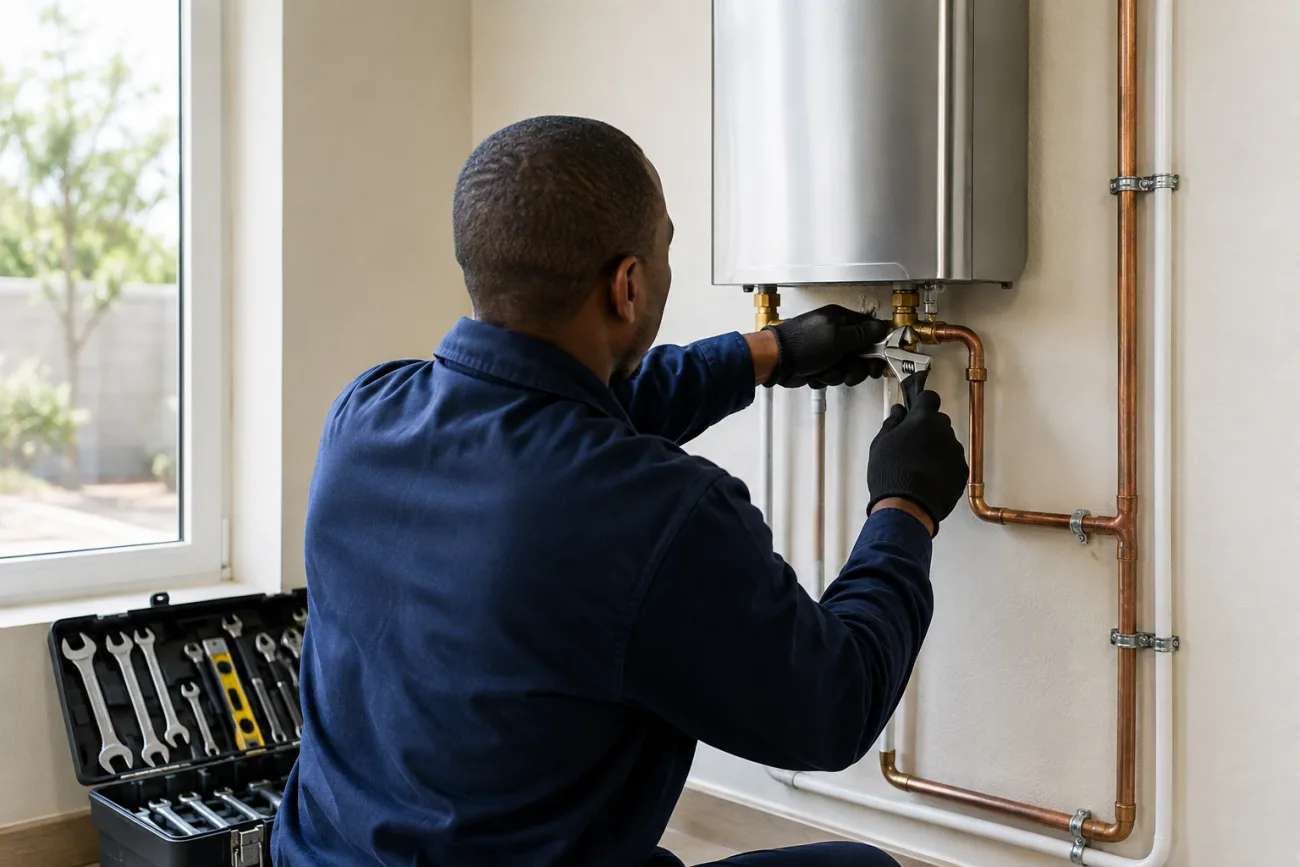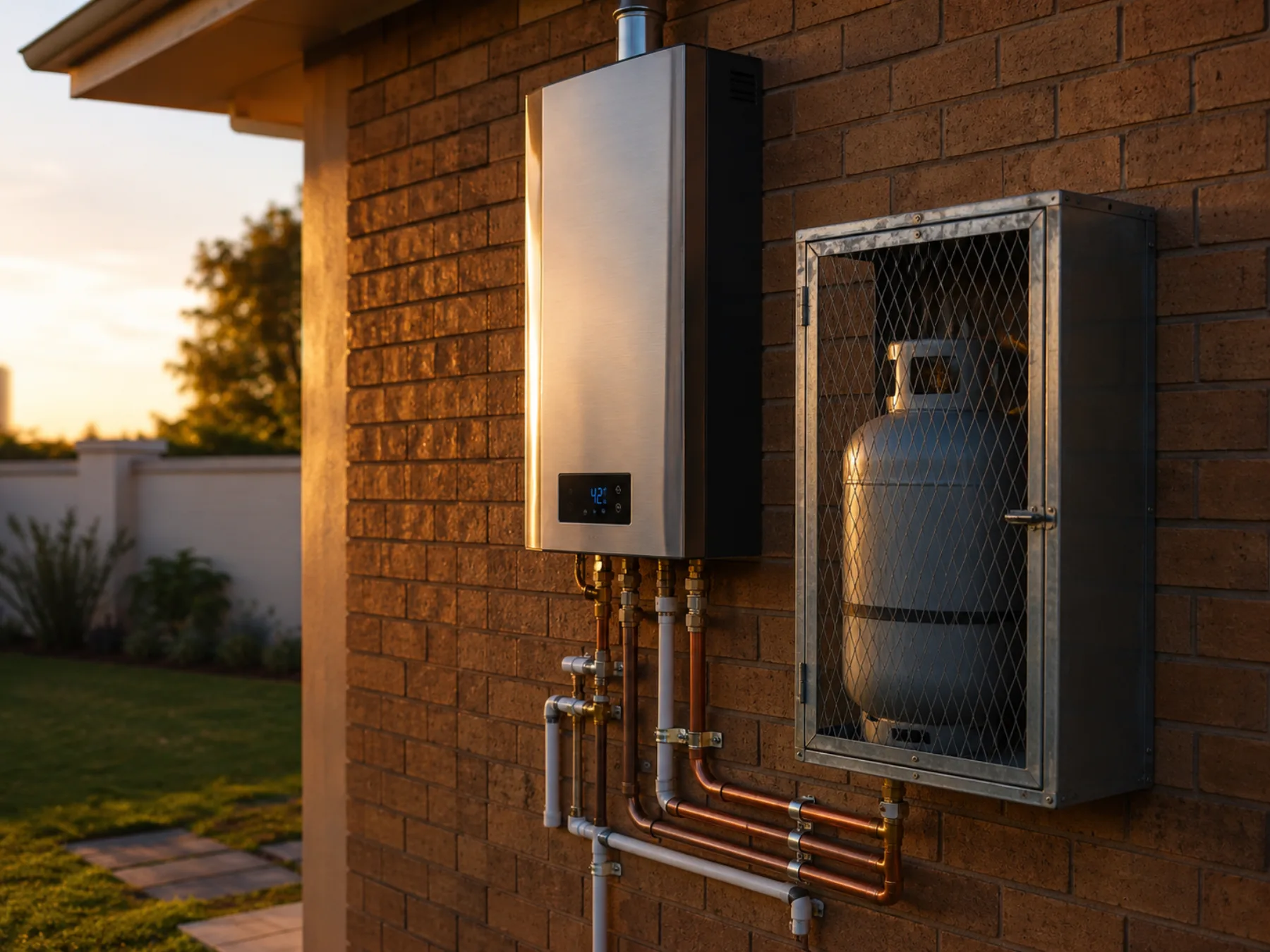
A gas geyser heats water as it flows. Nothing sits in a tank waiting to go cold, and nothing stops when the lights do. We supply it, install it, and hand you the certificate.
Fill in Mike's job sheet. You get a real range at the bottom, and one tap sends the whole thing to his WhatsApp.
Pick the closest one.
This decides the size of the system.
Either way is fine. It changes what goes in the quote.
An honest answer only decides who Mike calls first.
So Mike knows who he is talking to when it lands.
Supplied, installed and certified. Mike confirms the final figure once he sees the space.
Every line above travels with the message, so you never explain it twice.
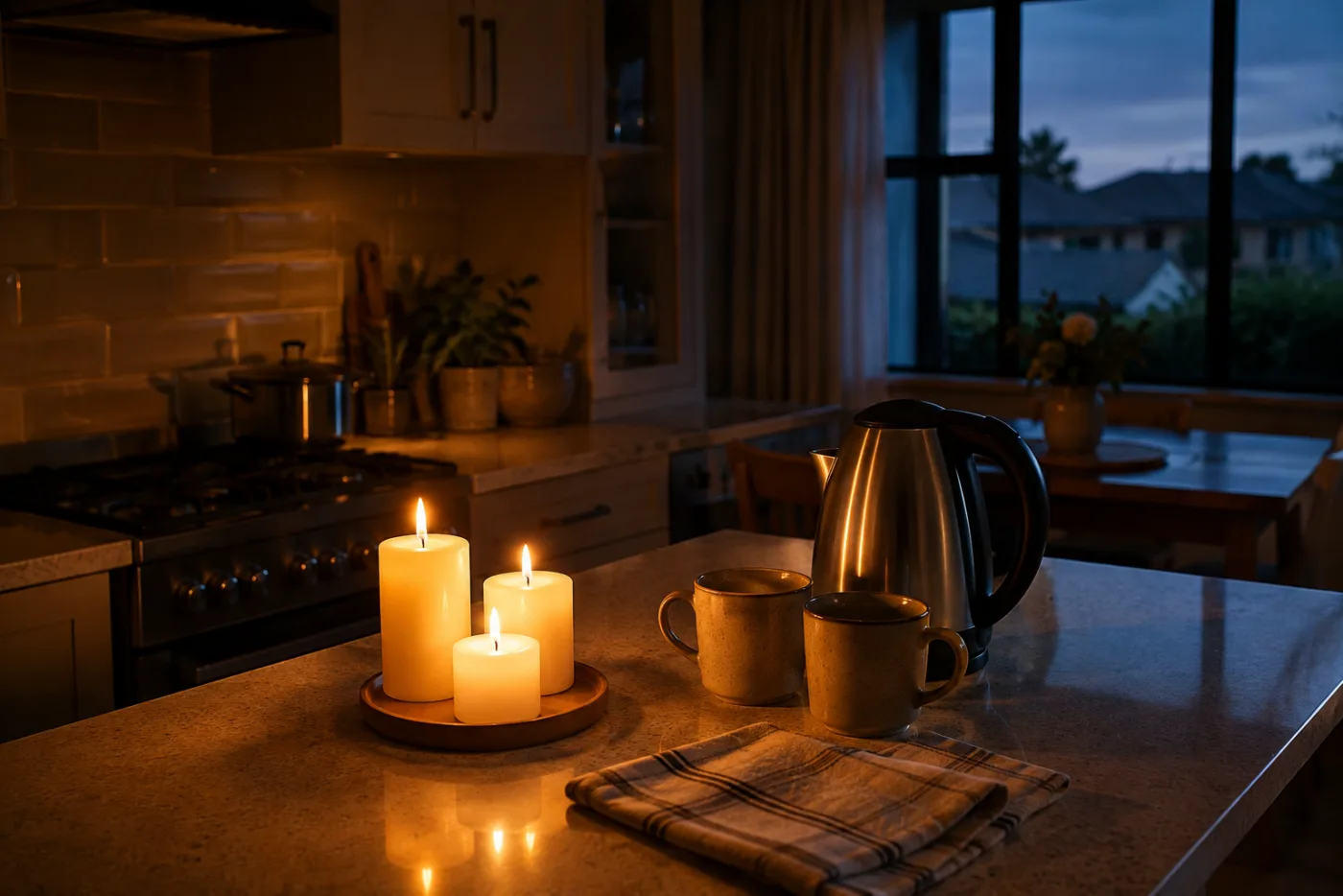
The geyser burns gas and lights on a battery. It does not touch the grid, so it does not care what stage it is. For most people who call Mike, this is the whole reason.
An electric geyser reheats a full tank all day and all night whether anyone is home or not. It is usually the single largest draw in a house. A gas geyser only burns while the tap is open, so the saving repeats every month instead of once.

Every installation ends with a Certificate of Compliance. It matters to your insurer and it matters the day you sell the house. An uncertified gas job is the one to be worried about, and it is the reason Mike does the paperwork on every single install.
One heats water while it flows. The other keeps 150 litres hot around the clock in case you want some. Every difference below comes from that.
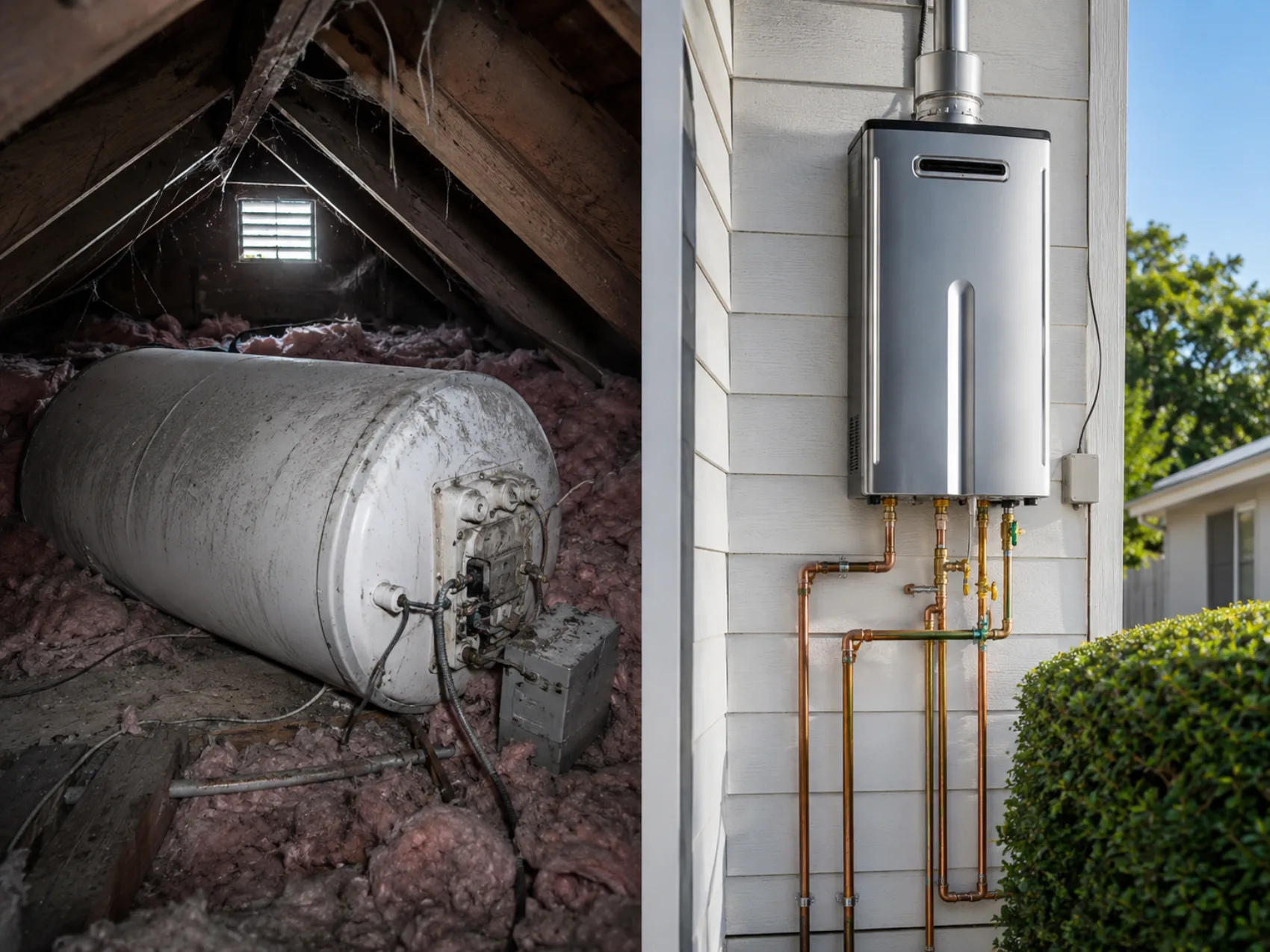
| Gas geyser · what Mike fits | Electric geyser | |
|---|---|---|
| Load shedding | Keeps working | No power, no hot water |
| How it heats | Only while the tap runs | Keeps a full tank hot day and night |
| On your bill | Removes it | Usually the single biggest item |
| Running out | Never, it heats on demand | Tank empties, then you wait |
| Warm-up time | Seconds | An hour or more from cold |
| Space | Slim unit on the outside wall | Large tank in the ceiling |
| If it leaks | Nothing stored to leak | A burst tank can drop a ceiling |
| Servicing | Few parts under constant pressure | Elements and thermostats fail |
| Certificate | CoC on completion | Depends on the installer |
What you save depends on how much hot water your household uses and what you pay per unit. Mike will work through your own numbers with you rather than quote you someone else's.
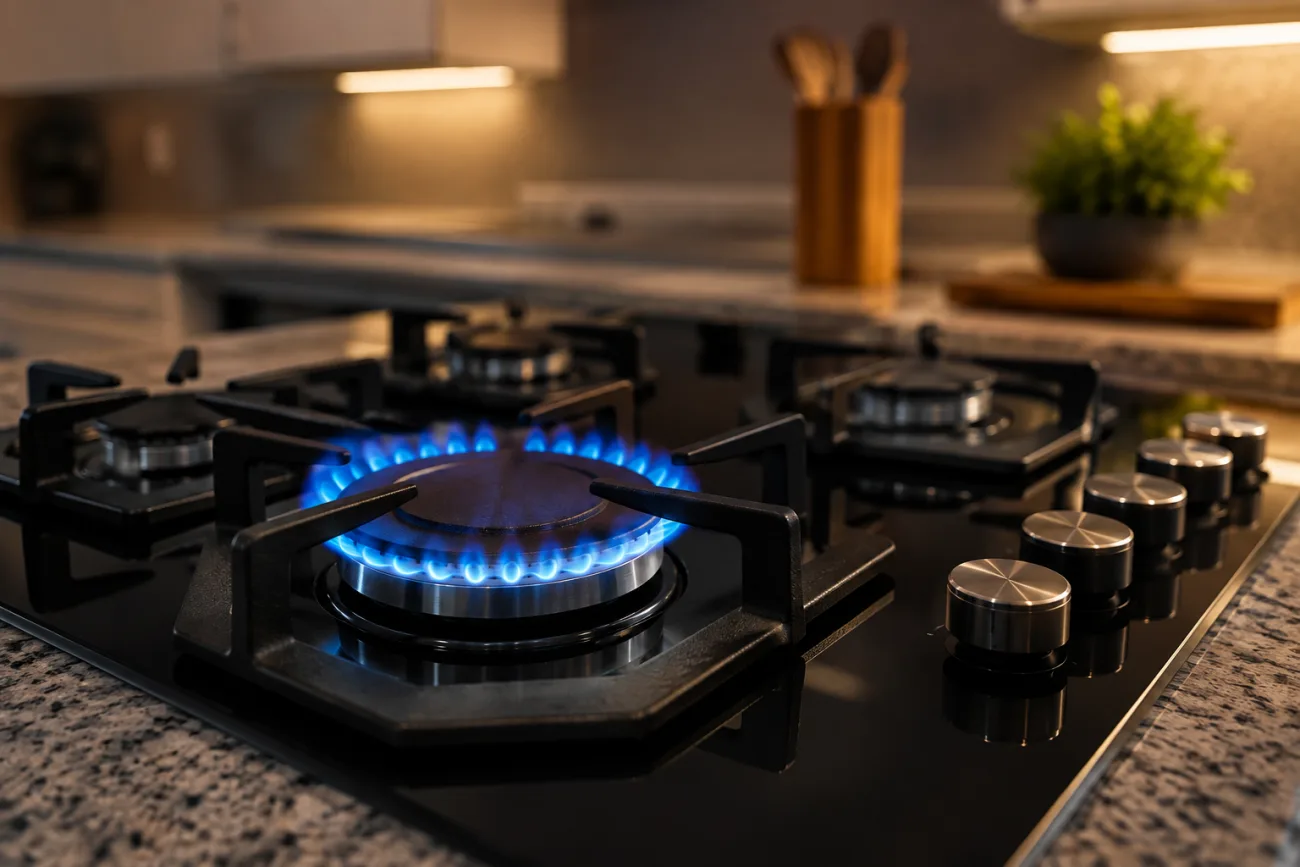
The same job in the kitchen. Mike supplies and fits the hob, runs the gas, and issues the certificate. Cooking on gas means heat the moment you turn the knob and control you can see, and it keeps working on the nights the power does not.
Mike sizes the system to the house, so that is how he prices it. These are his real ranges, and they cover the unit, the installation and the certificate.
Flat, cottage or a small house. One shower at a time.
A smaller unit is plenty here, because only one tap ever draws hot water at once. This is the quickest job Mike does and it is usually finished the same morning.
The standard family home, and the job Mike does most weeks.
Most commonThe unit steps up so two showers can run without either going cold. If your bathrooms sit far apart, say so when you message and Mike will check the pipe run before he quotes.
More taps running at once, so the unit and the piping step up.
Bigger homes pull hot water from several taps at the same time, so the unit and the pipework are sized for it. Mike will want to see the layout first, because the distance from the cylinder to the furthest tap changes the figure.
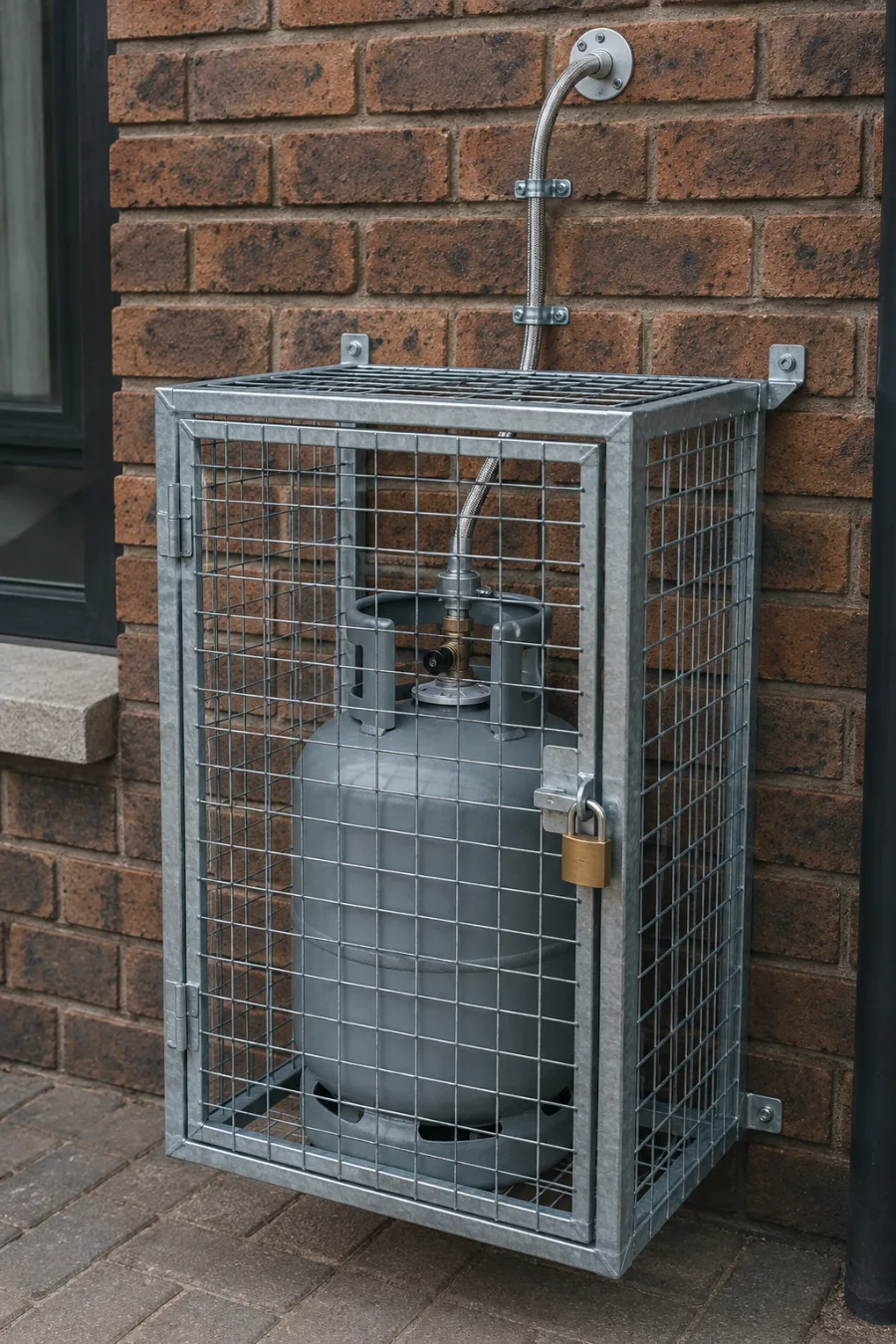
You buy nothing else
The final figure depends on the unit you pick and how far the pipe has to run. Mike confirms it before any work starts, and it does not move after that.
Mike explains what it costs, what goes into an install, and why homeowners keep pulling out their electric geysers. These are the three people watched most.
Yes. It burns gas and lights on a battery, so it never touches the grid. This is the main reason most customers call in the first place.
It depends on how many people shower and for how long. A typical family on a 19kg cylinder gets several weeks from one. Mike sizes it for your household rather than guessing.
Installed correctly, yes, and the Certificate of Compliance is the proof. The cylinder stands outside in a locked galvanised cage, the unit is fitted to regulation, and the job is signed off. An uncertified installation is the thing to worry about.
Nothing. The price covers the geyser, the cylinder, the cage, the piping, the fittings and the labour. Nobody sends you to a hardware shop halfway through the job.
Most standard installations are finished inside a day. If yours is going to be different, Mike tells you before he starts, not after.
Mention it when you message and it goes into the quote. Some customers leave the old tank disconnected in place, others want it out.
Across Gauteng. Send your suburb on WhatsApp and Mike will confirm straight away.
Five questions here, then one tap. Your answers travel with the message so Mike already knows the house, the job and the timing.
Takes a minuteOn WhatsApp, in his own words. He will ask anything he still needs and confirm the figure before anyone commits to anything.
Usually same dayEverything arrives with him. Most jobs are finished inside a day, and you get the Certificate of Compliance when he leaves.
One day on site